Electrical Capacitors: A Revolution in Energy Storage
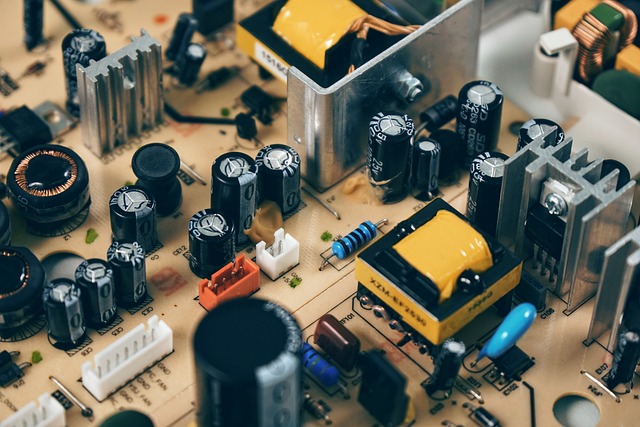
Electric capacitors are essential electronic components that store electrical energy. They are used in a wide variety of applications, including power supplies, control systems, and communication circuits. The latest advances in the field of electric capacitors have improved their performance in terms of capacitance, rated voltage, leakage current, and service life.
Miniaturization and Increased Capacitance


One of the key trends in the field of electric capacitors is miniaturization. Miniature capacitors are used in portable electronic devices, such as smartphones and tablets. They are also used in embedded systems, such as automotive control systems and navigation systems.
New Dielectric Materials
New dielectric materials have high permittivity and low dielectric loss. This allows for increasing the capacitance of electric capacitors while reducing their size. New dielectric materials include ceramics, polymers, and nanomaterials.
New Electrode Designs
New electrode designs increase the contact surface area between the dielectric and the electrodes. This improves the capacitor’s capacitance and reduces leakage current. New electrode designs include porous electrodes, nanowire electrodes, and carbon nanotube electrodes.
New Manufacturing Methods
New manufacturing methods make it possible to produce smaller, lighter, and more reliable electric capacitors. These methods include lithography, chemical vapor deposition, and sintering.
Applications of Electric Capacitors
Electric capacitors are used in a wide variety of applications, including:
* Power supplies
* Control systems
* Communication circuits
* Portable electronic devices
* Embedded systems
* Electric vehicles
* Energy storage systems
Conclusion
Electric capacitors are essential electronic components that play an important role in storing electrical energy. The latest advances in the field of electric capacitors have improved their performance in terms of capacitance, rated voltage, leakage current, and service life. These advances have also made it possible to reduce the size and weight of electric capacitors, making them easier to use in portable electronic devices. Electric capacitors are essential components in many electronic applications, and the latest advances in this field are expected to enable the development of new products and applications.