OpenClaw vs Hermes Comparison: Which Autonomous AI Agent to Choose in 2026?
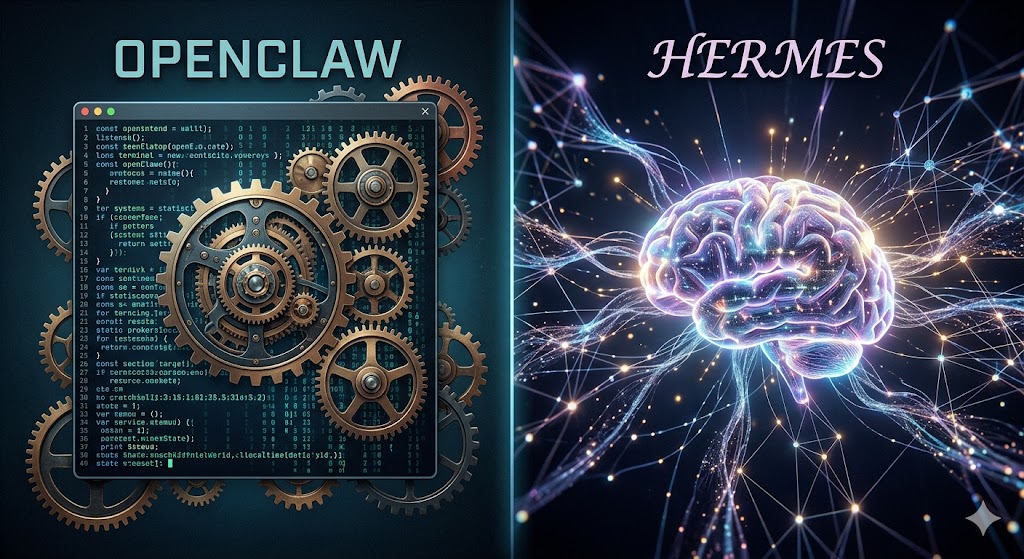
Meta-description: Discover our comprehensive comparison between OpenClaw and Hermes Agent. Ultra-powerful local automation or advanced persistent memory? Find the ideal open-source AI assistant to boost your productivity.
⚡ Quick Answer
The OpenClaw vs Hermes comparison analyzes two autonomous AI agents. OpenClaw focuses on hardware interaction, while Hermes (Gemini CLI) excels in complex software orchestration, codebase analysis, and automated SEO optimization for modern development environments.
The year 2026 marks a decisive turning point in the world of artificial intelligence: we have moved from simple conversational chatbots to autonomous AI agents. In this exploding market, two names currently dominate discussions within the French and international tech community: OpenClaw and Hermes Agent (developed by Nous Research).
Although they share the same goal — becoming your ultimate personal assistant — their philosophies and architectures are radically different. So, which one is right for you? This comprehensive guide helps you decide.
🎥 Express Video Summary

Fluke 323 Clamp Meter (True RMS, 400A AC)
🛠️ The essential tool for this project.
🎥 Express Video Summary
1. OpenClaw: The Local and Omnipotent Digital Worker
Launched in late 2025 and quickly becoming a GitHub staple (with over 246,000 stars), OpenClaw is like a virtual employee working for you 24/7, directly from your machine.
Originally created by Peter Steinberger, OpenClaw is a “Local-First” solution. It doesn’t just respond to you textually; it literally takes control of your work environment (keyboard, mouse, terminal, file system) to execute tasks.
OpenClaw’s Strengths:
- Total System Control: It can read your emails, launch scripts at 3 AM, monitor your builds, and interact with your web browser.
- Multi-channel Approach: Thanks to its Gateway architecture (in Node.js), OpenClaw can be deployed anywhere. It responds on Telegram, WhatsApp, or iMessage while executing actions on your PC.
- Absolute Privacy: Being open-source (Apache 2.0 License) and running locally, your personal and professional data never leave your computer.
- Extensibility: Ideal for creating complex workflows involving multiple agents (multi-agents).
2. Hermes Agent: The Cognitive Companion with Long Memory
On the other hand, Hermes Agent by Nous Research offers a more “human” and contextual approach. If OpenClaw is the worker who follows your instructions to the letter, Hermes is the right-hand man who anticipates your needs because he knows you perfectly.
Hermes’ great strength lies in its revolutionary management of persistent memory. It doesn’t reset its context at each session. Over time, it learns from your habits, errors, and preferences to refine its responses and actions.
Hermes’ Strengths:
- Advanced Persistent Memory: It “writes its own manual” as it goes. It will remember a detail mentioned three weeks ago without you having to remind it.
- “Turnkey” Experience: Unlike OpenClaw, which requires some technical setup, Hermes shines with its ready-to-use user experience (UX).
- Character and Contextualization: It is capable of handling very nuanced personal requests, acting as a true daily companion rather than just an execution terminal.
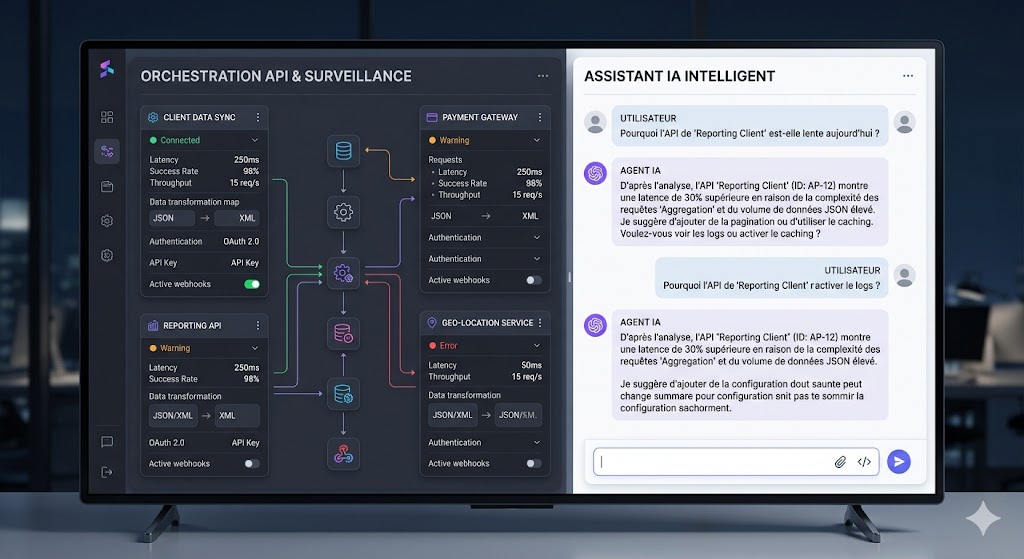
3. Comparison Table: OpenClaw vs Hermes
To help you quickly visualize the differences between these two open-source AI giants, here is a technical summary:
| Feature / Criterion | OpenClaw | Hermes Agent |
| Main Philosophy | Action execution, system workflows | Persistent memory, continuous learning |
| Target User Profile | Developers, Power-users, Businesses | Daily users, Researchers, Executives |
| System Interaction | Deep (Terminal, files, direct APIs) | Moderate (focuses on info processing) |
| Ease of Installation | Medium (requires technical basics) | High (ready-to-use) |
| Memory Management | Basic (session and log-based) | Excellent (automated long-term memory) |
| Price | 100% Free (Open-source) | Free (Open-weights) / Paid hosted models |
4. Which one to choose based on your profile?
Opt for OpenClaw if:
You are a developer, system administrator, or a power-user looking to automate redundant tasks. If your goal is to tell your AI: “Download all sales reports from last night, format them as CSV, and send them to my team on Slack before 8 AM”, OpenClaw is the unbeatable tool you need.
Opt for Hermes Agent if:
You are looking for an executive assistant or a brainstorming partner that grows with you. If your need is more like: “Write me a response to this client using the same tone we agreed on last month for delay cases”, Hermes’ persistent memory will work wonders.
Conclusion
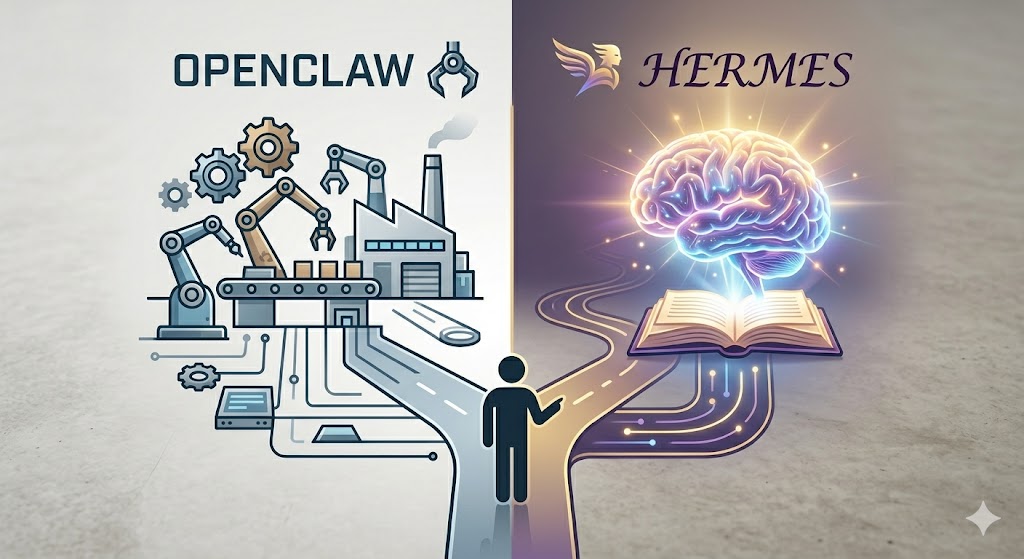
The choice between OpenClaw and Hermes isn’t just a matter of raw performance, but rather of use cases. OpenClaw wins hands down on local execution capabilities and the depth of its integrations. Hermes, on the other hand, wins on the fluidity of the user experience and the intelligence of its long-term context.
The AI ecosystem in 2026 finally offers the luxury of choice. And the good news? Since both are rooted in open-source philosophy, nothing stops you from testing both to see which one best fits your digital routine.
Learn more: To master the basics of electronics, don’t miss our guide on Ohm’s Law.