Solar Lithium Battery: The Essential Guide for your Energy Independence in 2026
⚡ DC Cable Size Calculator
⚖️ WARNING: This ‘DC Voltage Drop’ tool provides estimates. Always check your wiring with the power off.
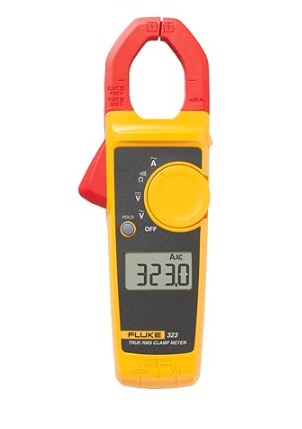
Fluke 323 Digital Clamp Meter (True RMS, 400A AC)
🛠️ The essential tool for this project.
☀️ Solar IoT Sizing
⚖️ WARNING: This ‘Solar IoT’ tool provides estimates based on standard mathematical models. Electrotuto cannot be held responsible for calculation errors or material consequences related to its use. Always check your parameters manually.
The solar lithium battery is the beating heart of any modern photovoltaic installation, whether it’s an off-grid primary residence or a converted leisure vehicle. In just a few years, it has completely superseded old lead-acid technologies thanks to its exceptional performance and unbeatable long-term profitability.
Why has the solar lithium battery become the standard?
The advantage of a solar lithium battery lies in its energy density. For the same storage capacity, it is three times lighter and twice as compact as a lead-acid battery. But its true asset is its lifespan: a LiFePO4 battery can withstand up to 5,000 charge cycles—more than 10 years of daily use—whereas lead-acid fails after only 2 or 3 years.
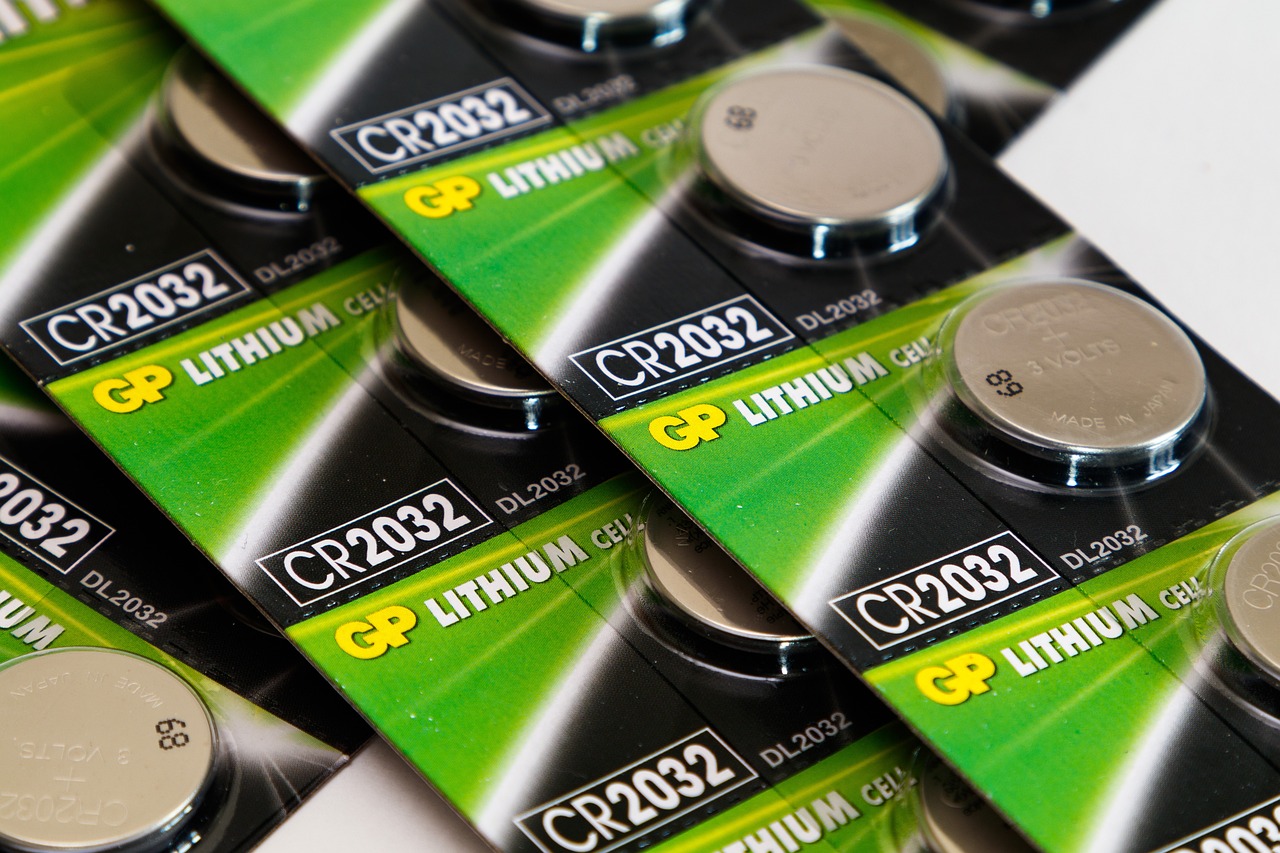
1. LiFePO4 Lithium: The safest technology
In the field of solar lithium batteries, the LiFePO4 (Lithium Iron Phosphate) type is preferred for its thermal stability. Unlike classic lithium-ion (NMC) used in electric cars, LiFePO4 does not risk thermal runaway or fire in the event of a short circuit. It is the ideal technology for indoor installation in a home or van in complete safety.
2. Profitability: Unbeatable cost of use
Admittedly, the purchase price of a solar lithium battery is higher than that of an AGM battery. But the math is simple: a lithium battery can be discharged to 90% without damage, compared to only 50% for lead-acid.
Concrete example: To have 50Ah of usable capacity, you need a 100Ah lead-acid battery (30kg) or a 60Ah lithium battery (7kg). Over 10 years, you would have to replace your lead-acid battery 4 times, while your lithium will still be going strong.
3. The role of the BMS and smart monitoring
Every solar lithium battery includes a BMS (Battery Management System). This electronic circuit protects cells against excessively high or low voltages. The latest models even feature Bluetooth to monitor the state of charge on your smartphone. You can integrate this data into your Home Assistant system to automate charging based on your panels’ production.
Conclusion
The solar lithium battery is no longer a luxury; it is the rational choice for anyone seeking sustainable autonomy. It pairs perfectly with your connected weather station or network monitoring projects.
For in-depth technical data on accumulator life cycles, consult ADEME‘s publications on energy storage.
Note: To further your technical knowledge, consult our guide on Ohm’s Law.