Electrical Measurement Devices: A Journey Through Innovation and Impact
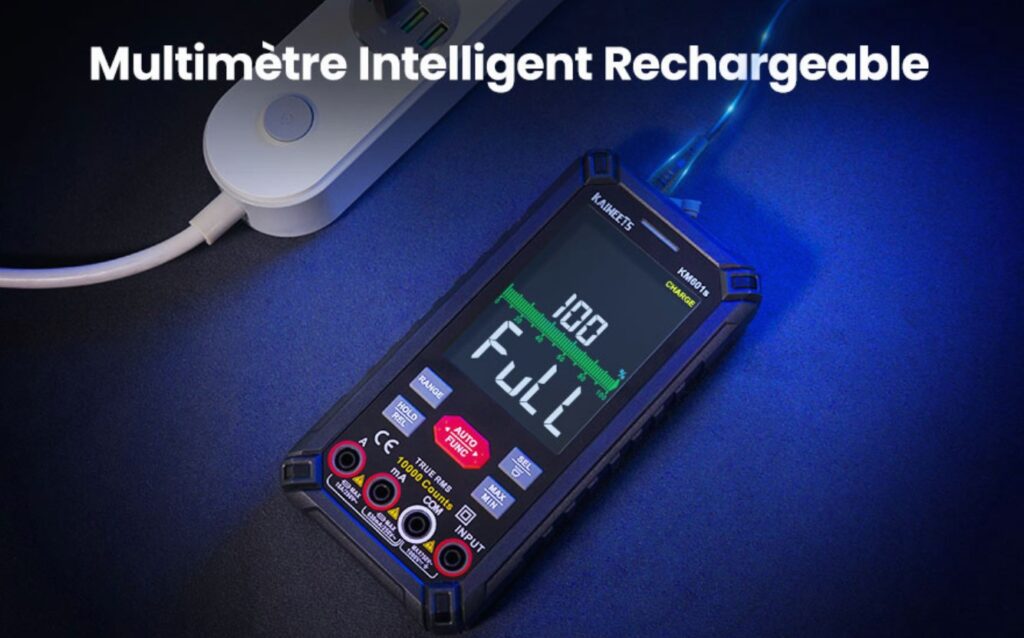
IntroductionElectrical measurement devices are essential tools in the field of electrical engineering and various industries, allowing for precise and reliable measurement of electrical parameters. Advancements in electrical measurement technologies have driven the development of innovative devices with enhanced capabilities and increased performance. This blog post explores key trends, revolutionary technologies, and their profound impact across various industries.
Key Trends Shaping the Future of Electrical Measurement
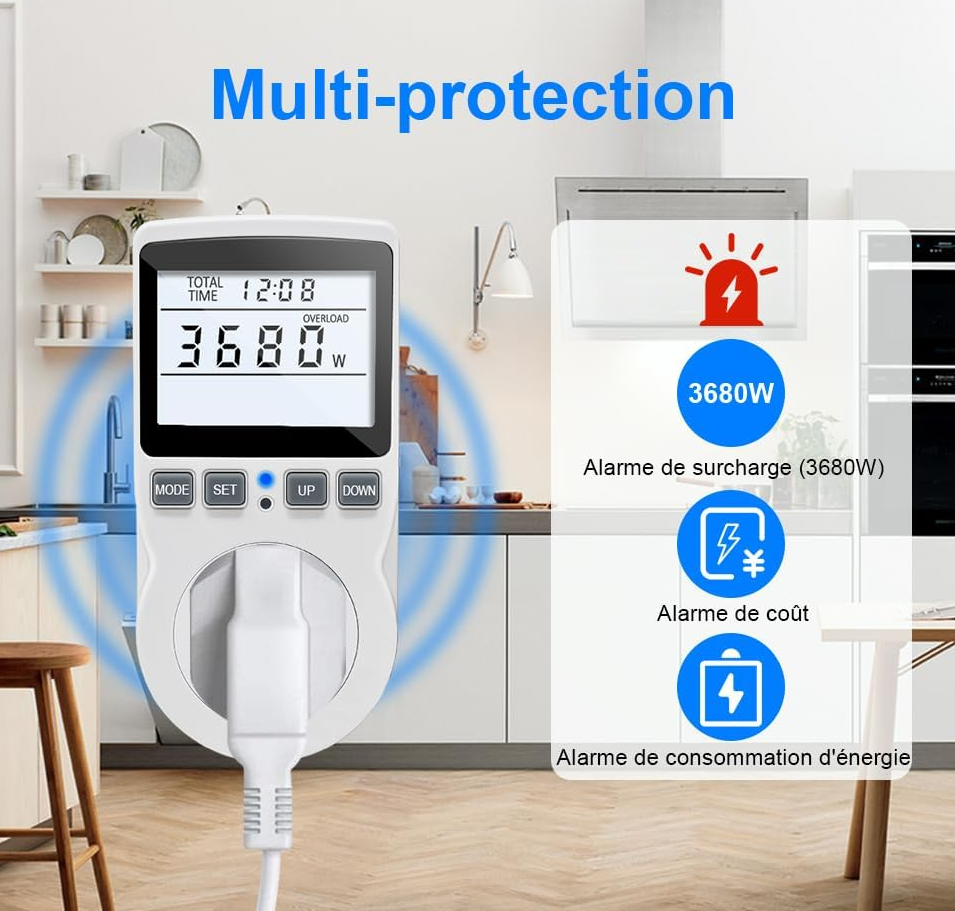
- Miniaturization and Portability: Compact and lightweight devices offer greater flexibility and convenience, allowing for measurements in confined spaces or on the go.
- Wireless Connectivity and IoT Integration: Wireless connectivity and IoT capabilities enable real-time monitoring and analysis, opening up new possibilities for data-driven decision-making and remote monitoring.
- Advanced Sensing Technologies: Advancements in sensing technologies have led to devices with increased sensitivity, accuracy, and resolution, allowing for precise measurements even in challenging conditions.
- Multi-Parameter Measurement and Analysis: Devices now offer multi-parameter measurement capabilities, eliminating the need for multiple instruments and streamlining the measurement process.
- Integration of Data Analytics and Machine Learning: The integration of data analytics and machine learning algorithms enables data analysis and predictive maintenance, optimizing maintenance schedules and improving system reliability.
Revolutionary Technologies Revolutionizing Electrical Measurement
- Optical Current and Voltage Sensors: These sensors use advanced optical technologies to measure electrical parameters without direct electrical contact, providing safer and more reliable measurements in harsh conditions.
- Quantum Metrology Devi
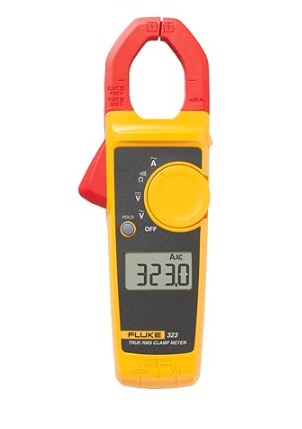
Fluke 323 Clamp Meter (True RMS, 400A AC)
🛠️ The essential tool for this project.
ces:
Quantum metrology devices leverage the principles of quantum mechanics to achieve unparalleled levels of precision and sensitivity in electrical measurements, revolutionizing various fields, including fundamental physics research and medical diagnostics. - MEMS-Based Sensors: MEMS technology has enabled the development of miniaturized and low-cost electrical measurement devices with high sensitivity and low power consumption.
- Smart Sensors and Edge Computing: Smart sensors equipped with edge computing capabilities can perform data processing and analysis at the device level, reducing the need for data transmission and enabling real-time decision-making.
Impact of Advancements in Electrical Measurement Devices Across Various Industries
- Energy and Power Sector: Advanced devices enable more efficient and reliable power generation, transmission, and distribution, ensuring a stable and reliable power supply.
- Industrial Automation: Electrical measurement devices play a vital role in industrial automation systems, providing accurate data for process control, quality assurance, and predictive maintenance, leading to improved productivity and reduced downtime.
- Transportation and Automotive: These devices are essential for the development and testing of electric and hybrid vehicles, allowing for accurate measurement of electrical parameters in powertrains, batteries, and charging systems, ensuring safety and performance.
- Healthcare and Medical Research: Electrical measurement devices are used in various medical applications, including patient monitoring, diagnostic imaging, and therapeutic procedures, improving patient care and enabling the development of innovative medical technologies.
- Research and Development: Electrical measurement devices are indispensable tools in research and development activities across various scientific and engineering disciplines, facilitating material characterization, prototype testing, and validation of theoretical models.
Conclusion
Advancements in electrical measurement devices are transforming industries and opening up new possibilities in various applications. These developments have significant implications for the energy and power sector, industrial automation, transportation and automotive, healthcare and medical research, as well as research and development. As technology continues to evolve, we can expect even more revolutionary developments in electrical measurement devices, further revolutionizing how we measure and analyze electrical parameters.